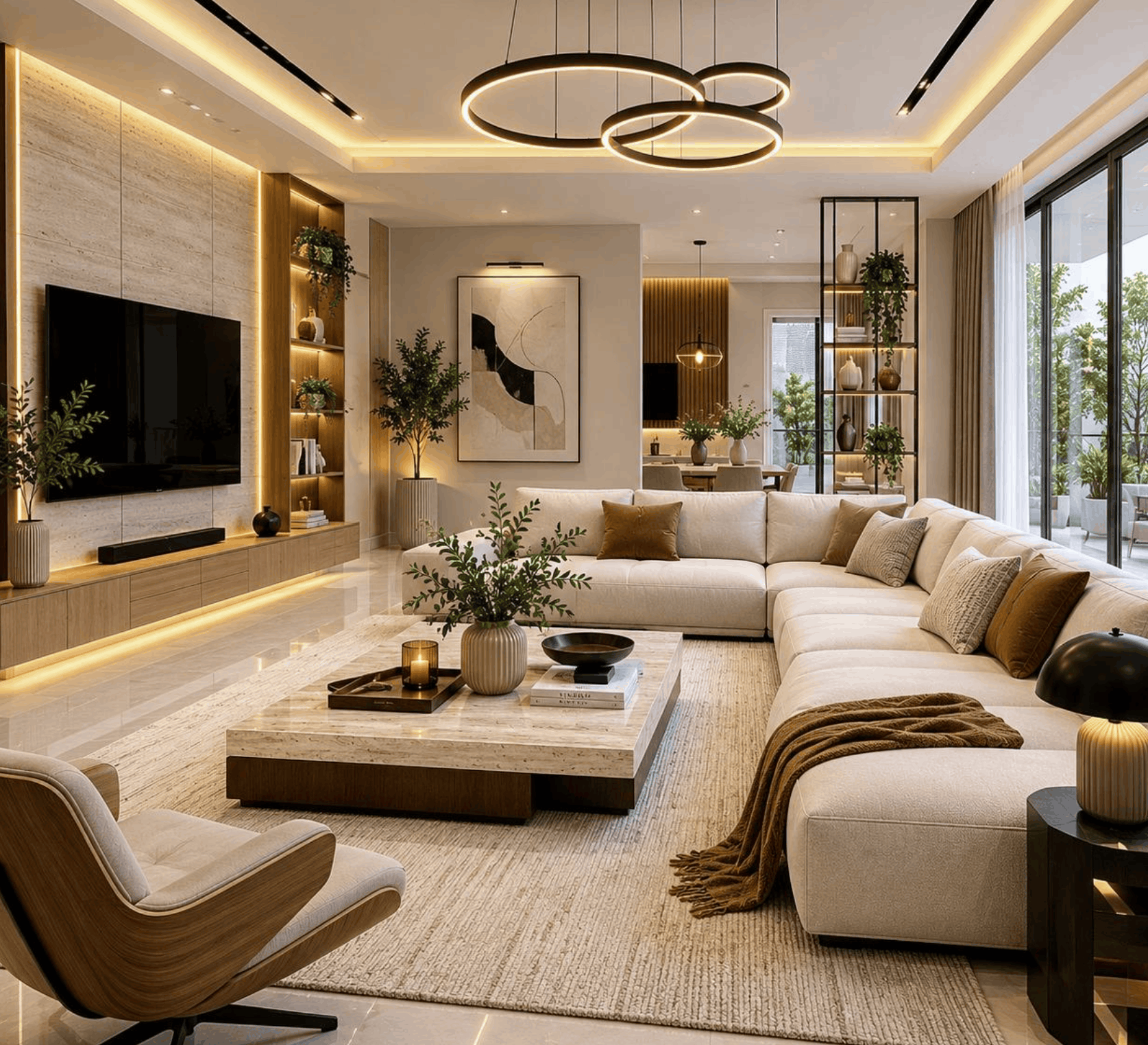
Designing your dream home is an exciting journey, but turning your ideas into a beautiful, functional, and comfortable living space requires proper planning and expertise. Whether you are moving into a new apartment, constructing an independent house, or renovating your existing home, choosing the right interior designer can make a significant difference.
An experienced interior designer can help you make the best use of available space, select suitable materials, create attractive interiors, and manage your project within your budget.
However, with so many interior designers and design firms available across India, finding the right professional can be challenging.
In this guide, we will explore the important factors you should consider before hiring an interior designer for your home.
1. Understand Your Interior Design Requirements
Before contacting an interior designer, take some time to understand what you want for your home.
Every homeowner has different requirements, preferences, and lifestyles. Some people prefer modern and minimalist interiors, while others love traditional Indian designs.
Start by identifying:
- Which areas need interior designing – living room, bedroom, kitchen, bathroom, or the entire home.
- Your preferred design style – modern, contemporary, traditional, minimalist, or luxury.
- Your storage and furniture requirements.
- Your preferred colours, lighting, and materials.
- Whether you need complete interior design or only selected services.
You can also collect inspiration from interior design websites, magazines, and social media platforms such as Pinterest and Instagram.
Having a clear idea of your expectations will help you communicate effectively with potential designers.
2. Check the Designer's Experience and Portfolio
Experience plays an important role in interior design. An experienced interior designer is more likely to understand space planning, material selection, lighting arrangements, furniture placement, and practical construction challenges.
Before hiring anyone, carefully review their previous projects.
Look for:
- Residential interior design projects.
- Apartment and independent house interiors.
- Modular kitchen designs.
- Bedroom and living room designs.
- Bathroom and wardrobe designs.
- Home renovation and remodelling projects.
Pay attention to the quality of work, creativity, finishing, and overall design consistency.
Ask whether the displayed photographs are from projects they have personally completed. If possible, visit one of their completed projects to understand the actual workmanship.
3. Choose a Designer Whose Style Matches Your Preference
Every interior designer has a different approach to design. Some specialise in contemporary apartments, while others focus on traditional homes, luxury interiors, or budget-friendly residential projects.
For example:
- Modern Interior Design: Clean lines, functional furniture, and simple colour combinations.
- Contemporary Interior Design: Current design trends, creative lighting, and modern materials.
- Traditional Indian Design: Wooden furniture, ethnic patterns, traditional elements, and warm colours.
- Minimalist Design: Simple layouts, fewer decorative elements, and clutter-free spaces.
- Luxury Interior Design: Premium materials, customised furniture, and sophisticated finishes.
Choose a designer whose previous work reflects your preferred style.
Remember, a beautiful design is not necessarily the right design for your home. It should match your lifestyle, comfort, and everyday requirements.
4. Discuss Your Budget Before Starting the Project
Budget is one of the most important considerations when hiring an interior designer in India.
Interior design costs can vary significantly depending on the city, property size, design complexity, materials, furniture, and level of customisation.
Before finalising a designer, discuss your estimated budget and ask for a detailed cost breakdown.
Your budget should consider:
- Interior designer's professional fees.
- Furniture and modular kitchen costs.
- Electrical and lighting work.
- False ceiling and painting.
- Flooring and wall treatments.
- Carpentry and woodwork.
- Bathroom fittings and accessories.
- Decorative items and soft furnishings.
- Transportation and installation charges.
Ask whether the quotation includes labour, materials, installation, taxes, and other additional expenses.
It is also advisable to keep an additional contingency budget of approximately 10–15% for unexpected expenses or changes during execution.
Tip: Do not select an interior designer based only on the lowest quotation. Compare the quality of materials, scope of work, experience, and services included in the proposal.
5. Verify Credentials and Professional Background
Before appointing an interior designer, verify their professional background and qualifications.
You can check:
- Educational qualifications in interior design or a related field.
- Relevant professional training and certifications.
- Years of industry experience.
- Previous residential projects.
- Business registration, where applicable.
- Client references and testimonials.
If your project involves structural modifications, major electrical changes, or architectural alterations, make sure appropriately qualified professionals are involved.
For larger projects, coordination between interior designers, architects, structural engineers, and contractors is particularly important.
6. Read Client Reviews and Testimonials
Online reviews can help you understand the experiences of previous customers.
Check the designer's ratings and feedback on Google, social media, business directories, and other online platforms.
Pay attention to comments about:
- Quality of work and finishing.
- Project completion timelines.
- Communication and responsiveness.
- Budget management.
- Professional behaviour.
- After-project support.
Do not rely entirely on online ratings. Try to speak directly with at least two previous clients to understand their experience.
Ask whether the project was completed within the agreed budget and timeline and whether they would recommend the designer.
7. Understand the Services Offered
Not every interior designer provides the same range of services.
Some professionals offer design consultation and 3D visualisation, while others manage the entire project, including material procurement, execution, installation, and final handover.
Before hiring, clarify which services are included.
Common interior design services include:
- Space planning and layout design.
- 2D floor plans and 3D visualisation.
- Furniture and modular kitchen design.
- Lighting and electrical planning.
- False ceiling design.
- Wall painting and decoration.
- Material and colour selection.
- Custom furniture design.
- Complete interior execution.
- Renovation and remodelling.
Choose a professional whose services match your project requirements.
8. Evaluate Communication and Understanding
Good communication is essential for a successful interior design project.
Your designer should listen carefully to your requirements, understand your lifestyle, and provide practical suggestions.
During your initial meeting, observe whether the designer:
- Understands your expectations.
- Explains design concepts clearly.
- Provides realistic suggestions.
- Responds to your questions.
- Discusses possible challenges.
- Considers your budget and preferences.
A good interior designer should not simply impose their own ideas. They should work collaboratively with you to create a home that reflects your personality.
9. Ask About Project Timelines and Execution
Interior design projects involve multiple activities, including planning, material procurement, carpentry, electrical work, painting, furniture installation, and finishing.
Ask your designer to provide an estimated project timeline.
Discuss the following:
- Design approval date.
- Material selection and procurement.
- Start and completion dates.
- Work execution schedule.
- Site supervision arrangements.
- Progress updates.
- Final inspection and handover.
Make sure the agreed timeline and project responsibilities are documented.
Also ask how delays caused by material availability, labour shortages, or design changes will be handled.
10. Sign a Written Agreement Before Starting
Once you have selected an interior designer, make sure all important terms and conditions are documented in a written agreement.
The agreement should clearly mention:
- Total project cost and payment schedule.
- Detailed scope of work.
- Materials and brands to be used.
- Project completion timeline.
- Design changes and additional charges.
- Responsibilities of the designer and homeowner.
- Warranty and after-sales support.
- Cancellation and dispute resolution terms.
Avoid making large advance payments without proper documentation.
A clear agreement protects both the homeowner and the interior designer and helps prevent misunderstandings during the project.
11. Compare Multiple Interior Designers Before Finalising
It is always a good idea to meet at least two or three interior designers before making your final decision.
Comparing multiple professionals will help you understand different design approaches, pricing structures, service offerings, and project execution methods.
Do not make your decision based only on presentation or attractive 3D designs.
Evaluate the overall value offered by each professional, including experience, workmanship, material quality, communication, and project management.
Common Mistakes to Avoid When Hiring an Interior Designer
Many homeowners make avoidable mistakes while selecting an interior designer. Here are some important things to avoid:
- Choosing only based on price: A low quotation may not include all the required services or materials.
- Ignoring previous projects: Always review completed work before making a decision.
- Not defining requirements: Unclear expectations can lead to unnecessary changes and additional expenses.
- Skipping written agreements: Always document costs, timelines, and responsibilities.
- Ignoring material quality: Check the specifications and brands of materials being used.
- Not checking references: Speak with previous clients whenever possible.
- Making frequent design changes: Finalise important design decisions before execution to minimise delays and extra costs.
Final Thoughts
Choosing the right interior designer is an important step towards creating your dream home. The right professional will not only make your home visually attractive but also ensure that every space is practical, comfortable, and suited to your lifestyle.
Before making your decision, carefully evaluate the designer's experience, portfolio, design approach, budget, client feedback, communication skills, and project management capabilities.
Take your time, compare different professionals, discuss your expectations clearly, and always finalise the project terms in writing.
A well-planned interior design project is an investment in your home's comfort, functionality, and long-term value.
Looking for an Interior Designer in India?
Finding a reliable interior designer does not have to be difficult. Explore professional profiles, compare their previous projects, check their services, and connect with experienced interior designers for your home improvement requirements.
UrbanHomez helps homeowners discover interior designers, architects, contractors, and other home improvement professionals. Whether you are planning a new home interior, renovating your kitchen, or redesigning your living space, find professionals who can help bring your ideas to life.
Visit www.urbanhomez.in to explore home improvement professionals and take the first step towards creating your dream home.
Explore houses, flats, apartments, plots and other properties listed on Urbanhomez.
Explore Properties in Ranchi